Posts tagged Hygiene Behaviour & Practices

Sing Song CHCs

August 2010. J. Waterkeyn

CHCs are spreading rapidly in Africa, but the question remains, ‘Can they appeal to more sophisticated rural communities in Asia?’   How can we adapt the CHC methodology to suit this very different scenario.

Since November 2009, when Ministry of Health (MoH) in Vietnam first decided to use the CHC Approach,  they have, without any external support from Africa AHEAD, simply got on with the job of establishing a pilot project in four provinces: Son La, Ha Tinh, Phu Tho, and Ninh Tuan. One of the initial barriers to starting up CHCs is always the lengthy process of developing a Toolkit and Manual, and this has been done in the past six months by Africa AHEAD, supported by Danida for Vietnam MoH. However having decided to ‘do’ CHCs, there was no sitting around in Vietnam whilst waiting for the training materials to be developed.

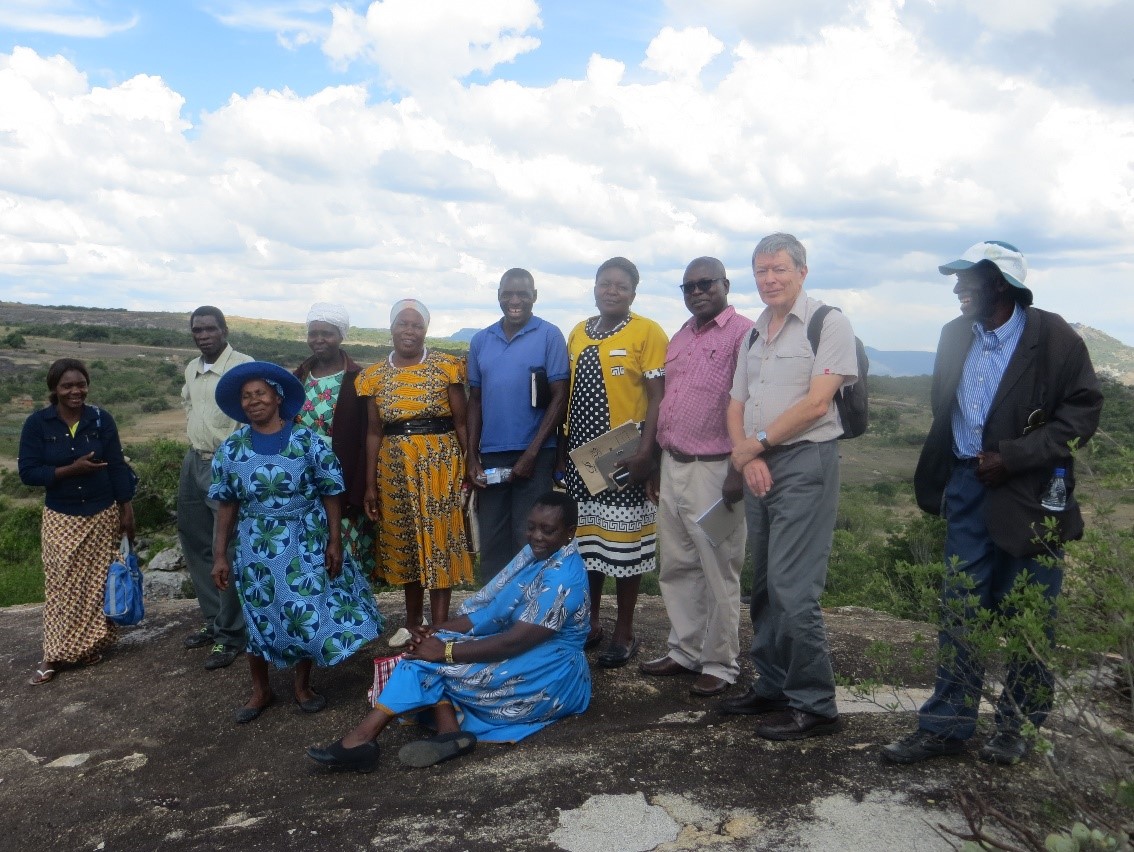
Participants at the ToT workshop in Phu Tho, July 2010.

Dr Bang of the MoH e4njoys the sessions on Open defecation having contributed his own drawing

When I returned in July 2010 for the ‘start up workshop’ equipped  with the new manual and toolkit , we found we were lagging behind our participants, who said,  ‘Yes, interesting, we know all this, we already have CHCs!’  I was surprised to find that CHCs were not only formed up, but operating, and there are about 40 CHCs in total, 10 in each Province. Two provinces had already started the health sessions without assistence and had done 12 sessions, half of the course. They  had even developed a monitoring system based on the membership cards, having printed attendence books. Such is the power of an organised governmental system, where if the directive is given from above, the cadres below simply do it… no excuses, just get on with the job. From my experience in Africa where most external initiaitives, like a cow being driven to market on a long dusty road, need constant prodding by the driver, here I was runnng to keep up with the pace of the Asian buffalo, a symbol of hard work and fortitude in Vietnam mythology.

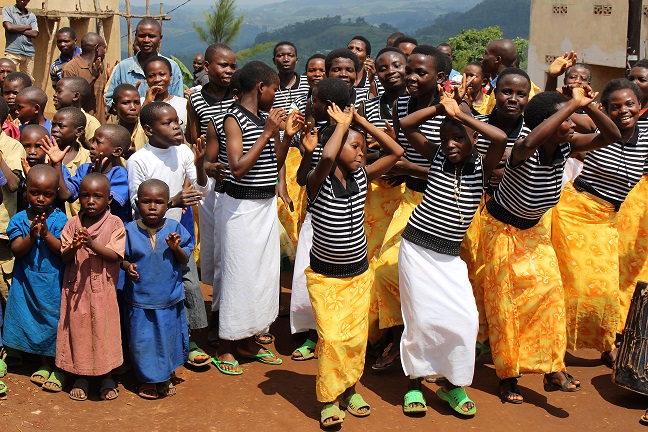
A Sing Song at the first CHC we met in Vietnam

A field trip was arranged to go to Da Du village in Phu Tho Province, three hours north of Hanoi. We drove up to the village Community House in the evening, where hundreds of scooters were parked, whilst people squeezed into the hall, waiting for our party of 10 outsiders to arrive. The hall was packed with around 60 men, women and children, as fascinated to see us as we were to see them.   One after another,  men and women provided  the entertainment,  without a shread of self consciousness singing gloriously into the microphone.

A traditional Vietnamese instrument provided fascinating wailing music

The Master of Ceremonies was a dedicated community organiser and  a war vet with one arm. He introduced the community members: women bravely warbling out their strong patriotic songs full of love for Vietnam,  a man who played  a  mean mouth organ, which must have survived from the war against the American GIs in the 70’s and a more traditional musician playing a one stringed  instrument, adding a surreal Chinese tinge to our spirits which soured as each speech became more and more fired up with energy for the universal cause of Health for All by 2015.

They told us that they gather every week like this for one hour of song and the second hour of health education, and using the PA system makes it all the move enthralling. Karioke in Vietnam, like most of urban Asia is very popular, and here the rural folk were having home grown plugged in performance.

Under the sagaceous gaze of Ho Chi Minh, the saviour and hero of Vietnam, the times were a-changing, but really were they?  I couldnt help feeling the CHC approach fits perfectly into a society used to  celluar socialist organisation. In Africa  we have largely dyfunctional rural communities as the brain drain to the towns leaves the less able and more conservative in the ‘rurals’,  eeking out  a basic subsistence whilst living largely on remittances from their folk in town.

Here in Vietnam, one of the last communist countries, the north still operates from the top down and the people are organised by the party, and unlike Africa they are not disorganised communities in the rural areas.

The rural areas of Vietnam  are highly regulated,  with ‘mass organisations’ like the Womens Union, that plays a key role in development in Vietnam. The people have survived  years of war and poverty and in their desperation are highly motivated to progress. It appears they only need a good reason to get together with an agenda to improve and they will achieve.

Community Health Clubs resonate with their needs. Unlike the Womens Union which are purely for women, CHCs provide a forum for men and women to get together and solve some of their health issues together.

Our Vietnamese counterparts said that they had been ‘nerveous’ as to whether the CHC would work, but having seen this CHC in the flesh, they were now ‘confident of success’ of the Methodology. I felt just the same, with a new generation primed for take off.

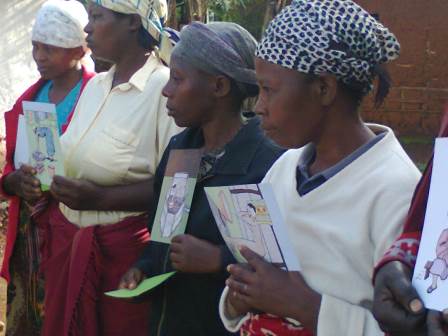
A child identifies key messages on the visual aids developed for the programme

Share AfricaAHEAD information on your websites:
  • Digg
  • del.icio.us
  • Facebook
  • Google Bookmarks
  • Blogosphere News
  • LinkedIn
  • MySpace
  • NewsVine
  • Reddit
  • StumbleUpon
  • Technorati
  • Upnews

The Johanna Road Project: 6-Month Report

March 2010

After 6 months of health promotion modules, impressive improvements have occurred at the Johanna Road Informal Settlement in the eThekwini Municipality, as measured by our Household Observations Survey, and as observed through communal changes and activities.

Research

From the baseline surveys, it was identified that the most problematic areas were low practice of zero open defecation (ZOD) (7%) and pour-to-waste method (16.3%), and a high presence of ringworm infection (18.6%).  After 6 months of health promotion sessions, 100% of CHC member households have ZOD and no visible ringworm, while pour-to-waste method has increasd to 88.5% of CHC households.  In addition to ZOD and no ringworm, 100% of CHC households now use a ladle, safely store their water and food, have a pot rack, and know how to make salt-sugar-solution to treat dehydration from diarrhea.

None of the CHC members have a handwashing facility, which Africa AHEAD believes is due to the majority of club members being located near a standpipe or ablution block.  Therefore, they use these facilities to wash their hands, to limit the amount of grey water they need to dispose of near their house.

CHC Activities

Demonstration grey water agri-tube garden at Johanna Road

Gardening

As documented in previous reports, the Johanna Road CHC communal and personal gardens have flourished.  In recognition of the CHC’s talent and hard work, the eThekwini Department of Water provided 15 grey water agri-tube gardens designed by Khanyisa Projects to club members on 2 February, with seedlings delivered 3 March.  Another round of approximately 20 agri-tubes will be delivered in the middle of March, to the remaining graduating club members.  One or two “Coke Bottle” grey water gardens will also be piloted in the settlement to determine which system better fits the environment.

Projects

The CHCs have plans for a very exciting community wide project – a tyre-step pathway to link Boxwood Place to Johanna Road.  As the settlement is located along the side of a steep hill, it can be very difficult and dangerous to traverse the settlement, especially in rainy weather.  The tyre-step pathway will help to make this task easier, as the current dirt trail will be replaced with steps.  Africa AHEAD has contacted companies to supply the tyres, and the DWS has agreed to provide tools (10 spades, 10 hoes, 10 forks, and 30 pairs of gloves) for the project.  The CHC has communicated with the community leaders and other residents, as they envision this to be a community-wide project.  They hope to commence work on the project second Saturday in March.

CHC members are also continuing to collect glass bottles as part of their new recycling project.  Africa AHEAD has approached the Municipality about the possibility of organizing transport for CHC members to Pinetown in order for them to learn more first hand about recycling.

In recognition that only so much improvement can be made to the grey water and drainage issues with education, the DWS is rehabilitating the bottom ablution block.  In addition to fixing the bottom ablution block, the DWS has agreed to put in a channeling system at the standpipe on Boxwood Place, so excess water from the tap can be diverted to the vegetable gardens located behind the standpipe.  The DWS began the project 4 March, with plans to complete it by 10 March.

Graduation

In recognition of the completion of the health promotion sessions, a graduation for the CHC members successfully completing the modules, will be held 11 April at the Northern Water Treatment Works.  The festivities will commence at 8h30 am, with a short walking tour through the settlement, where the new tyre-step pathway will be utilized.

Next Steps

As the CHCs have reached a point of transition. Africa AHEAD will assist Impiloyethu and Sakhimpiloyethu with their merge into one club.  After this is complete, the club will elect an executive board, draft and ratify a constitution, register as a CBO, and open a bank account.  Africa AHEAD plans to help the executive board ease into facilitation of the sessions so the transition goes smoothly.  The CHCs have told Africa AHEAD that they plan to continue to meet on a regular basis to discuss community issues and to plan community activities.  They have also expressed interest in Africa AHEAD’s module on nutrition.

Share AfricaAHEAD information on your websites:
  • Digg
  • del.icio.us
  • Facebook
  • Google Bookmarks
  • Blogosphere News
  • LinkedIn
  • MySpace
  • NewsVine
  • Reddit
  • StumbleUpon
  • Technorati
  • Upnews

Vietnam :the first CHC Country in Asia

COMMUNITY HEALTH CLUBS TO BE STARTED IN VIETNAM

In response to a strong request by the Ministry of Health, Danida agreed to sponsor the introduction of the Community Health Club (CHC) Approach, and the originator of the methodology, Dr. J. Waterkeyn (JW) was invited  to provide training and mentor local consultants so that  a pilot project could beset up to test its effectiveness.  The consultant was engaged for a preliminary assignment to review progress to date and to assist in providing sound training material so that the approach could be scaled up.

The Provinces chosen for the Pilot Project were Son La, PhuTho, Ha Tinh and Ninh Thuan.  Twelve villages in each Province will start CHCs making a total of 48 CHCs if each facilitator runs one club, although it would be hoped that they could manage two or three clubs depending on the size of the area, distance between homes and availability of transport and incentives to participate.  It is expected that each facilitator will aim for a CHC of 100 members, and if this is multiplied by the number in the households who will benefit from improved hygiene, it can be estimated that the programme will serve a minimum of 2,400 people, or twice that if each facilitator runs two clubs.

The Pilot project will be integrated into existing structures such as the Women’s Union, although it should be appreciated that CHC’s embrace the whole community, not just women, as men are as important as women when it comes to disease transmission., and the CHC provides a forum for open debate on subjects that my otherwise be taboo or ignored.

The CHC will also try to mould the training so that it results in outputs that will enable families to be recognised as Cultural Families, and for CHC Villages to have the honour of Cultural Villages. Thus the graduation which will reward those who have completed 24 topics, may also include the Cultural Family awards. It is expected that local dignitaries and village leaders will avail themselves and support those who attain this level of hygiene and that the Graduation will become a day of celebration that can be an ongoing reminder to maintain good hygiene standards.

It is expected that the training will begin in December and be completed by July 2010. However before this time it would be ideal if a second Stage of the Training were planned to enable all the criteria for a Cultural Family to be met. The 1st Stage focuses on water and sanitation, and home  hygiene, and aims to prevent common diseases such as diarrhoea, dysentery, cholera, helminthes, skin and eye disease, ARI’s as well as Swine flu, Avian Fly and Malaria. The 2nd stage should ensure that nutrition, child care, immunisation, good parenting, substance abuse and other social issues are addressed in a complete Tool Kit which will build on the knowledge gained in Stage 1.

Share AfricaAHEAD information on your websites:
  • Digg
  • del.icio.us
  • Facebook
  • Google Bookmarks
  • Blogosphere News
  • LinkedIn
  • MySpace
  • NewsVine
  • Reddit
  • StumbleUpon
  • Technorati
  • Upnews

Cholera Mitigation Case Study

Community Health Clubs were started in Mutare, Zimbabwe in an effort to combat the rapid spread of Cholera in Zimbabwe in 2009. This is an inspiring account of how well mobilised women were able to role back this deadly threat and prevent any daths from cholera in this high risk area. The paper presented at IWA Conference in Mexico 2009, also includes an example from Uganda where overcrowding and poor sanitation in IDP Camps was similarly addressed through Community Health Clubs.

Cholera Mitigation in Zimbabwe and Uganda Case Study

Share AfricaAHEAD information on your websites:
  • Digg
  • del.icio.us
  • Facebook
  • Google Bookmarks
  • Blogosphere News
  • LinkedIn
  • MySpace
  • NewsVine
  • Reddit
  • StumbleUpon
  • Technorati
  • Upnews

Zimbabwe Case Study

A short summary of hygiene behaviour change in Zimbabwe, updating from the ground breaking early projects in 2001 in Tsholtsho, to recent projects in Chipinge where similat levels of change are being recorded. It points a way forward as to how the MDGs can be achieved by scaling up the CHC approach as is being done in Rwanda and Vietnam  where the model is being institutionalised within the Ministry of Health.

Zimbabe Chipinge Case Study

Share AfricaAHEAD information on your websites:
  • Digg
  • del.icio.us
  • Facebook
  • Google Bookmarks
  • Blogosphere News
  • LinkedIn
  • MySpace
  • NewsVine
  • Reddit
  • StumbleUpon
  • Technorati
  • Upnews

Uganda

east-africa

READ THE LATEST NEWS FROM UGANDA – (click here)

COMMUNITY HEALTH CLUB PROJECTS

1. CARE International (funded by Gates Foundation)

In 2003, Africa AHEAD provided training for 23 facilitators from HIDO, a local NGO and a PHAST Toolkit was developed specifically for the IDP Camps. Trainers were then posted into 15 Internally Displaced People’s camps in Gulu District. Within a month over 116 Community Health Clubs with over 15,000 members, had been registered and weekly sessions were held for six months. By this time over 11,256 latrines, as well as 11,709 pot racks, and 2127 hand washing facilities had been constructed. This record breaking number of latrines highlights the power of the CHC Approach to create a strong demand for sanitation even crowded IDP camps, in an emergency setting within a short period of time.

2. Malaria Consortium – HIDO (funded by Unicef):

The approach was then taken to Pader District, also a refugee area in Norther Uganda, by HIDO (in partnership with Malaria Consortium). Another 35 health clubs were established with 2,599 members in 8 IDP camps and within 5 months 51% (1,318 members) had built latrines as well constructed 400 rubbish pits, 1,644 pot racks and 810 bathrooms.

3. Lutheran World Federation:

Based on recommendations in an evaluation (by Cranfield University), Community Health Clubs were started in Katakwi by Lutheran World Federation. In October 2006, a local EHD trainer who had co-facilitated with Africa AHEAD in the Gulu Trainer successfuly trained LWF field staff in PHAST and the CHC approach. By March 2007 there was a 40% uptake of sanitation. This was important as it shows how replication does not depend solely on Africa AHEAD, and points the way forward as to how Uganda can scale up CHCs without external consultancy.

4. WaterAid and partner NGOs pilot CHCs:

In May 2008, Africa AHEAD provided training for WaterAid local partners to enable them to start up Community Health Clubs in various areas of Uganda: Busoga Trust in Southern Uganda, whilst SSWARS and AEE operate mainly in Kampala. WEDA, another highly successful implementing partner is currently conducting a successful program in Katakwi using Clusters rather than health clubs and will be integrating some of the CHC ideas into their home grown health promotion methodology.We await an update on how these organisation have adapted the CHC Approach to their own contexts.

Accredited CHC Trainer: Justin Otai (MoH); Victor Kwame (HIDO)

Africa AHEAD Consultant: Dr. Juliet Waterkeyn

PRACTISING ORGANISATIONS:

CARE International; HealthIntegrated Organisation for Development (HIDO); Malaria Consortium, Unicef; WaterAid; UWASNET, Lutheran World Federation; WEDA; SSWARS; AEE; Busoga Trust

TRAINING MATERIAL: MoH PHAST Training Manual (available in country from EHD-MoH)

REPORTS: Waterkeyn. J. (2008) Africa AHEAD Scoping Study: Community Health Clubs in Uganda. Part 1. WaterAid Uganda.

PUBLICATIONS

UWASNET: Uganda Water and Sanitation NGO Network, Members Directory 2007-8

UWASNET. Group Performance Report for 2007.

Okot, P., Kwame, V., and Waterkeyn, J. (2005). Rapid Sanitation Uptake in the Internally Displaced People Camps of Northern Uganda through Community Health Clubs. Kampala. 31st WEDC Conference

Mpalanyi.J. and Mukama.D. (2007) Documentation of best practices (BOP) in hygiene and sanitation in districts of Uganda. WSP – AF.

Hygiene & Sanitation Strategies in Uganda: How to Achieve Sustainable Behavior Change?

Waterkeyn, A. (2005). Hygiene & sanitation strategies in Uganda: How to achieve sustainable behaviour change? Kampala, 31st WEDC Conference.

Abstract: Breaking the faecal:oral disease transmission route is a vital first step towards overcoming preventable disease and, ultimately, poverty. Simple knowledge transfer, whatever methodology is employed, does not automatically result in changed or improved behaviour. There is growing consensus that to achieve behaviour change in hygiene and sanitation practices communities, both rural and high-density peri-urban, need to be supported in ways that will stimulate social cohesion and result in group decisions being taken. Such cohesion and the building of social capital can ensure that peer pressure comes to bear and poor hygiene practices can thus be challenged. This paper considers several approaches to Hygiene Promotion and Sanitation that are currently receiving attention. It attempts to tease out some of the common threads that appear to be stimulating social cohesion and peer pressure towards achieving behaviour change that will be sustained and also considers the current hopeful situation in Uganda.

For full article in pdf, click here: Hygiene and Sanitation Strategies in Uganda: How to Achieve Sustainable Behavior Change

Share AfricaAHEAD information on your websites:
  • Digg
  • del.icio.us
  • Facebook
  • Google Bookmarks
  • Blogosphere News
  • LinkedIn
  • MySpace
  • NewsVine
  • Reddit
  • StumbleUpon
  • Technorati
  • Upnews

Guinea Bissau

west-africa1

READ MORE: NEWS FROM GUINEA BISSAU

Africa AHEAD provides training for Effective Interventions:

Africa AHEAD was invited to partner with Effective Interventions to set up an applied research programme in the southern districts of Timbali and Quinara, to establish if the extremely high infant child mortality in Guinea Bissau could be reduced by improving access to safe clinical delivery. However, not only was there a dire shortage of delivery facilities with few poorly equipped health posts in these remote areas, but health knowledge of mothers was minimal and the poor hygiene in the home was leading to the highest Infant Mortality Rate in Africa. As improved health knowledge and safe home hygiene was a priority if the clinical improvements were to have any effect, a parallel component of the clinical intervention was set up to enable villages to form Community Health Clubs, with special add on meeting for expectant mothers. A base line survey was conducted in 2006, and the CHC training was done by Africa AHEAD in August 2007. In the past year, there are strong indications that the households in CHC areas are significantly more advanced in safe hygiene practices since the CHC intervention. However findings from the post intervention results have not yet been published.

Facilitators supported by Effective Interventions to mobilise and train communities in Guinea Bissau

Facilitators trained by Africa AHEAD and supported by Effective Interventions to conduct health promotions sessions communities in southern Guinea Bissau. 2007.

Effective Interventions:

Dr. Rebecca King

Local CHC Trainer:

Albino de Santos.

Africa AHEAD Trainer:

Dr. Juliet Waterkeyn

TRAINING MATERIAL:

Effective Interventions has developed a comprehensive Tool Kit and a series of three manuals which are yet to be published.


Share AfricaAHEAD information on your websites:
  • Digg
  • del.icio.us
  • Facebook
  • Google Bookmarks
  • Blogosphere News
  • LinkedIn
  • MySpace
  • NewsVine
  • Reddit
  • StumbleUpon
  • Technorati
  • Upnews

Celebrating Ubuntu

umbrella-101

Community Health Clubs Graduating in Umzimkhulu

August 2009

In January 2009, 10 communities within Umzimkhulu, one Local Municipality within the Sisonke District, began training as members of Community Health Clubs (CHC), a new initiative piloted by Africa AHEAD for the Department of Water and Environmental Affairs’ (DWA) Integrated Water Resources Management (IWRM) program. This Government pilot project, with funding provided by Danida (the Danish international aid organization), was initiated so as to improve community use and management of water resources. Since January, almost 1,000 community members have joined the ten community health clubs and have been meeting weekly to learn how to improve their lives through a structured health promotion program that encourages sustainable water, sanitation and hygiene behavior change. Now, seven months later, 550 members have completed the health promotion curriculum and are ready to celebrate their achievements during the Community Health Club Graduation Ceremony scheduled for Wednesday, September 16, 2009.

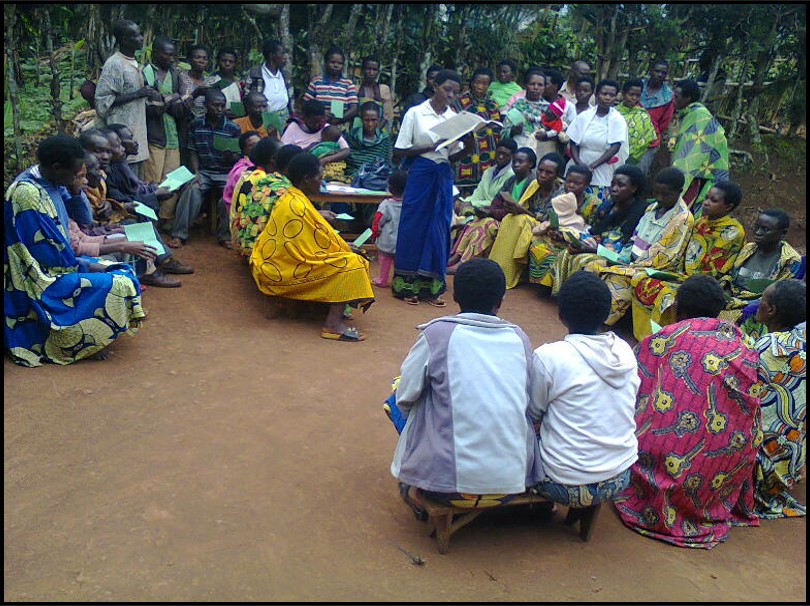
Fig.1. Women gather for the weekly health club session

The Community Health Club (CHC) approach enables the poorest of the poor in urban and rural communities to take full control of their own development by building effective social structures at the grassroots level known as Community Health clubs. The CHC strategy and training pioneered by a South African NGO, Africa AHEAD Association, builds the capacity of communities to manage their own health and development, ensuring that all initiatives are fully sustainable and holistic in scope. Informed decision-making through active participation and consensus building, changes a loose connected community into a ‘real community’ with ‘Common-Unity’. The inspiration for the CHC concept is closely linked to the South African understanding of ‘Ubuntu’, community togetherness and mutual support, which is an indication of a healthy Community. This attention to social cohesion is the hallmark of the CHC strategy, which should ideally be a process of development that begins with health promotion and hygiene behavior change. Once club members have completed the health promotion activities, they are then encouraged to move on to larger and sometimes more difficult developmental challenges such as the provision and management of water and sanitation resources; sustainable livelihoods through skills development and agriculture; and social responsibility for less advantaged community members. This phased approach allows club members to build upon each successive achievement, building ‘Common-Unity’ along the way.

sessions-1

This CHC Pilot Project in Umzimkhulu took place from February to August 2009, with six months of health promotion sessions (Phase 1 of the AHEAD Model), where members were given the opportunity to discuss issues surrounding common health problems through the use of visual aids and participatory activities. Members were also encouraged to support each other as they put their new knowledge into practice at home, and within weeks it was possible see the changes they had made to their homes and lifestyles. These concrete changes are the observable indicators of this new ‘Culture of Health’ that the CHC Approach emphasizes. At regular intervals throughout the project, a household inventory was taken, which notes the levels of uptake of 10 recommended practices that are vital if common diseases such as diarrhea, worms and skin disease are to be prevented through improved hygienic practices. It has been proved that if these practices are widespread within a community, these diseases can be greatly reduced, with a consequent saving of lives and cost to health services.

Figure 2: Members of the Bhulebezwe CHC discuss issues about personal hygiene

To date, over 80% of all registered members are following the recommended practices promoted during the weekly health promotion sessions. These practices include the safe storage and use of water, improved kitchen hygiene through safe food storage, the creation of a dedicated hand washing facility with soap at or near household latrines, and the use of a safe water source. To begin with, almost all registered members now store their water in a safe and sealed container, fetch their water using a ladle or pitcher, and store all food in containers that prevent contamination by flies. In addition, whereas only 29% of member households had a dedicated hand washing facility near their latrine at the beginning of the project, 82% have now constructed a simple facility that allows them to wash their hands immediately upon exiting their latrine. Even more impressive is the use of soap for hand washing. Finally, while 38% of member households had soap for hand washing in February, 94% of member households had provided soap by the end of July. This huge change in hand washing practice together with safe food and water will insure there is a drop in the prevalence and incidence of diarrhea, one of the most common health problems which threaten young children especially in Umzimkhulu. With these changes occurring within participating communities, there is little doubt that family health has been improved where health clubs have been established.

As can be appreciated from the chart above, the Community Health Clubs have responded enthusiastically to the information they have been learning in their clubs and applying the knowledge to improving their home hygiene. Taking ten indicators of their response we find that from the first month (blue bars) to six months later (red bars) the change has been extensive. Firstly all ten indicators show that over 80% of all the members are following the recommended practices. Secondly if we take the average of all ten practices we find that there is 36% change in six months. Some of the practices were already quite high (above 60%) but even so, it is clear that the members who did not practice the hygiene at the start of the project are almost all practicing the recommendations now. We find almost all the members are now using safe drinking water, using a ladle to take water, covering their drinking water well, keeping their food well stored and practicing zero open defecation. Use of soap when handwashing has shot up a staggering 56% (from 38% to 98%), and 53% (from 29% to 82%) have constructed a hand washing facility. This huge change in hand washing practice together with safe food and water will insure there is a drop in the prevalence and incidence of diarrhea, one of the most common health problems which threatens young children especially in Umzimkhulu.

Most impressive of all, however, are the self-motivated improvements that some Health Clubs have made to their water sources. It was observed that at the beginning of the project that approximately 50% of participating households obtained their water from an unprotected source, such as springs, streams and rivers. After learning about the importance of obtaining water from a protected source (i.e. water that is sealed or protected from contamination at the surface) club members have been actively taking measures to protect their water sources. Two of the health clubs have even made technical improvements to protect their water without any financial or technical assistance from government. Each and every achievement of these Health Clubs highlights the objective of the CHC Approach, which is to help communities take their health into their own hands and manage their own resources more effectively, at least until government can provide the required services.

water-7

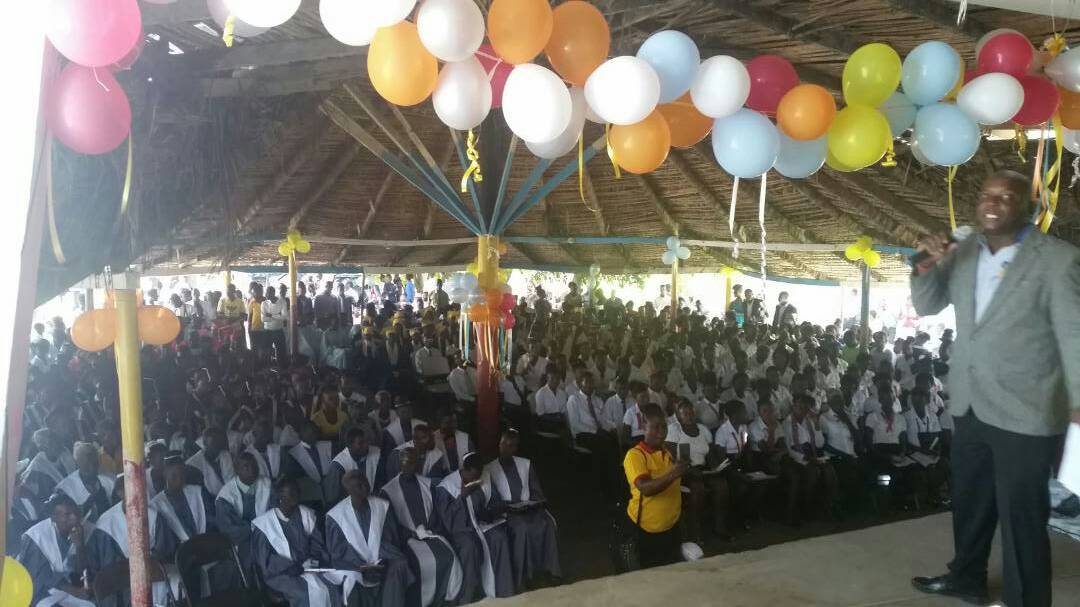
On Wednesday, September 16, 2009, over 500 graduates throughout Umzimkhulu will be honored at the Hall at the Umzimkhulu Teachers College. During this public ceremony, each of the Health Clubs will demonstrate to the rest of their municipality, district and province what it means to be a member of a Community Health Club. Prizes will be given for the best homestead and most proactive health club and there will be much celebration of good hygiene achieved. Songs about the importance of hand washing will be sung, dramas highlighting the knowledge shared and gained throughout the 7 months of health promotion will be performed, and all those who have attended all 24 sessions will be given a certificate of achievement.

Fig 3: over 50% of the health club members get water from a source like this.

This is not only the moment to celebrate the achievements of these CHC members, but it is also as a coming of age of each Health Club. As the project funders (DANIDA) and implementers (Africa AHEAD, and DWA) withdraw from their role as initiators of the scheme, local leadership is now set to take their rightful place as instigators of future development through the health clubs. While all councilors have been fully behind the clubs since their inception in their respective communities, the celebration being hosted by Umzimkhulu Municipality is a very public demonstration of this determination to support local community efforts and ensure every family has a healthy future. It is now up to the graduated membership to become the standard bearers of health and development for their community. Now is the time for these communities to demonstrate the power of Ubuntu that Nelson Mandela saw within each and every one of his South African brothers and sisters. With President Zuma’s clear focus on the welfare of rural people, the municipality of Umzimkhulu is set to become an example of sustainable development and how the combined effort of a critical mass of women can bring new standards of home hygiene and improved family health.

Share AfricaAHEAD information on your websites:
  • Digg
  • del.icio.us
  • Facebook
  • Google Bookmarks
  • Blogosphere News
  • LinkedIn
  • MySpace
  • NewsVine
  • Reddit
  • StumbleUpon
  • Technorati
  • Upnews

Durban Informal Settlement CHC

joanna-rd-cover1

Johanna Road Informal Settlement

October 2009

The eThekwini Metro is giving Africa AHEAD the chance to pilot the CHC concept in one of the most challenging informal settlements in the City of Durban. The settlement is situated on a steep slope of a hill next to the Sea Cow sewerage works, which has long been a black spot in otherwise genteel suburbs, north of Durban. The authorties have supplied two ablution blocks, water and solid waste collection, but have been unable to get the residents to dispose of solid waste properly, whilst the facilities were constantly vandalised.The project start up due in February 2009, was delayed by two months as the election campaigning was taking place. A base line survey was done in March of 100 households in order to be able to present achievements of this pilot project to inform the Municipality of the feasibility of replication. It was found that employment was unexpectedly high and therefore the mobilisation of the community took longer than expected as it was difficult to get members to gather during the day when many were working. The process of getting the approval of the committee that runs this informal settlement involved further delays but this is now a great advantage as the the leadership are solidly behind the establishment of health clubs.

There are over 500 residents of Johanna Road, and so two health clubs have been formed, Impiloyethu (“Our Health”) and Sakhimpiloyethu (“Building Our Health”). Currently Impiloyethu has 36 members and Sakhimpiloyethu has 18 members.  Iis expected that the training for both clubs will be completed by February 2010, when a graduation is planned.

After six months there are some observable changes in the community. The upper Ablution Block is being better maintained and community pride is rising each week. In September a daylong clean-up was held with over 100 people participating and this has given the authorities the encouragement they needed to support the efforts of the residents of Joanna Road. Over 100 black bags were filled with garbage and the Municipality provided the collection vehicle.

It was also a good indication to see how one of the more squalid corners has been transformed into a vegetable garden. Plans are afoot to help all those who are active in the CHC to have a garden patch in the nearby wasteland. There is still a lot to be done to clean up the area and sort out the paths which become impassable in the heavy tropical rains. However the settlement is starting to enjoy the new community cohesion and the hope that CHCs will transform the area is likely to be met.

Share AfricaAHEAD information on your websites:
  • Digg
  • del.icio.us
  • Facebook
  • Google Bookmarks
  • Blogosphere News
  • LinkedIn
  • MySpace
  • NewsVine
  • Reddit
  • StumbleUpon
  • Technorati
  • Upnews

Rise From Your Sleep

8th April, 2009

Umzimkhulu is one of the most disadvantaged of all areas of South Africa. Levels of water provision by government are unacceptably low, with 80% of the community within this project still using unprotected open water sources. In addition, the recent base line survey shows that hygiene and sanitation practices are equally appalling, and health knowledge is negligible, with only 18% of the community having a good knowledge of 6 health topics. The combination of poor facilities, poor hygiene and poor knowledge is causing high levels of infectious diseases : diarrhoea from unsafe food and water, skin diseases from lack of washing and worm infestations which inhibit child growth and damage levels of achievement at school. However change is in the air. In ten wards of Umzimkhulu communities are stirring and wakening from their sleep. In January 2009, Community Health Clubs were started in nine out of the ten projected Wards, and there are now a total of 883 members. Given an average of 5.4 persons per household this means there are already 4,768 direct beneficiaries of this project. From past experience we know the diffusion of information from each member extends to neighbours who often change their hygiene habits due to peer pressure even if they do not become a CHC member and attend the health club sessions. Therefore it can be assumed that the impact of the project will be on over 10,000 indirect beneficiaries.

In the first two months since mobilisation started in February 2009, there has been a good response to the project. As hoped the average size of a health club in Umzimkhulu is 98 members per club, with the largest club being in Ward 4 with 144 members. However the size of the club does not always mean that it is the most effective club, as large clubs can merely reflect a more dense population or be because people in some areas are more prone to hope to receive something, but may not continue to attend if there are no handouts. The success of a club will depend on the number of active members who attend regularly, not just those who are registered. The most accurate measurement of a successful facilitator is that of average attendance for each session, because this shows that members continue to find their sessions interesting and worth attending. Ward 15 and Ward 18 have equally the highest attendance rates (both at 60%) whilst the lowest is Ward 8 with only 23% attendance.

March Star Facilitator: Buyisiwe Majola, Ward 13, Maskhale Club, enjoys her role as facilitator and setting a high standard for her colleauges to follow, having conducted 175 household visits.

March Star Facilitator: Buyisiwe Majola, Ward 13, Zibambele Club, enjoys her role as facilitator and is setting a high standard for her colleagues to follow, having conducted over 200 household visits.

Five facilitators have done four sessions at their clubs, whilst the remaining have done two or three sessions. Only one facilitator has failed to form a club in Kwa Gijima (Ward 17) which was one of the villages selected as a case study. Her failure to conduct any sessions after two months has resulted in the Project Steering Committee requesting her counselor to find a replacement facilitator. As this project is attempting to use community members rather than trained health personnel as facilitators in an effort to ensure sustainability and build capacity at the grass roots, it is inevitable that there will be some poorly chosen facilitators who do not have the capacity for the job required. However we are delighted that 90% of the facilitators are coping well, although they need considerably more training and support than is normal when NGO or government Environmental Health staff are used as CHC facilitators. Normally when higher educated staff are facilitators Africa AHEAD provides a one-off training workshop at the beginning of the programme. However in Umzimkhulu, most selected facilitators have only a basic education,and therefore need more regular support. A full time Project Manager and Project Officer are on site and provide continual top-up training and monitoring as needed. Monthly training sessions provide support for facilitators who are taught the next four sessions for the forthcoming month.

The facilitator of the month is Buyisiwe Majola from Ward 13, who has shone out this month for her enthusiasm and hard work. She has registered 96 members, and conducted 205 surveys. While some facilitators are battling to visit all their members homes, she has completed not only the base-line household inventory but is now on the second round of household visits checking on whether there have been any changes within the past two months. Her health club, named Zibambele has 96 members, and she has conducted the four sessions as instructed. Other facilitators are also doing well, particularly Gladys Mkhise, who has successfully galvanised her community into action, surprising people with her energy and ability to mobilise, dispite being a pensioner. She says, ‘One is never too old to learn or contribute to the well being of one’s community.’ The slogan her members have adopted ‘Vukamawulele!’ means ‘Rise up from your sleep!’

Facilitators Club Name Members Sessions Avg Attendance per Session H/hold Obs Completed
Name Surname Ward
Nomawethu Thusi 2 Siyakhulu 82 2 37% 76
Gladys Mkhise 4 Sakhisizwe 149 4 34% 119
Nomhle Dlamini 5 Buhlebezwe 104 4 55% 111
Patience Njobe 6 Hlanganani 66 5 52% 42
Nomfanelo Phumlomo 7 Masikani 102 4 37% 83
Nolwazi Mdlozini 8 Vukuzakhe 122 4 23% 38
Buyisiwe Majola 13 Zibambele 96 4 43% 205
Thembinkosi Mbenste 15 Masizakhe 86 2 60% 43
Ncediswa Mbokazi 18 Siyazinzela 76 2 60% 38
TOTALS
883
27 43% 755
Share AfricaAHEAD information on your websites:
  • Digg
  • del.icio.us
  • Facebook
  • Google Bookmarks
  • Blogosphere News
  • LinkedIn
  • MySpace
  • NewsVine
  • Reddit
  • StumbleUpon
  • Technorati
  • Upnews

Latest News from the Project Areas

Content


Click the images below to hear what the community have to say about their Health Clubs.

Community Voices

A word from the community. Health Club Members Kitchen pride A word from the community. Health Club Members  Women Empowerment                            A word from the community. Health Club Members   Love of Knowledge                             Reasons for joining CHC Attraction of the Health Club A word from the community. Health Club Members A word from the community. Health Club Members