Posts tagged Rural Areas

Sing Song CHCs

August 2010. J. Waterkeyn

CHCs are spreading rapidly in Africa, but the question remains, ‘Can they appeal to more sophisticated rural communities in Asia?’   How can we adapt the CHC methodology to suit this very different scenario.

Since November 2009, when Ministry of Health (MoH) in Vietnam first decided to use the CHC Approach,  they have, without any external support from Africa AHEAD, simply got on with the job of establishing a pilot project in four provinces: Son La, Ha Tinh, Phu Tho, and Ninh Tuan. One of the initial barriers to starting up CHCs is always the lengthy process of developing a Toolkit and Manual, and this has been done in the past six months by Africa AHEAD, supported by Danida for Vietnam MoH. However having decided to ‘do’ CHCs, there was no sitting around in Vietnam whilst waiting for the training materials to be developed.

Participants at the ToT workshop in Phu Tho, July 2010.

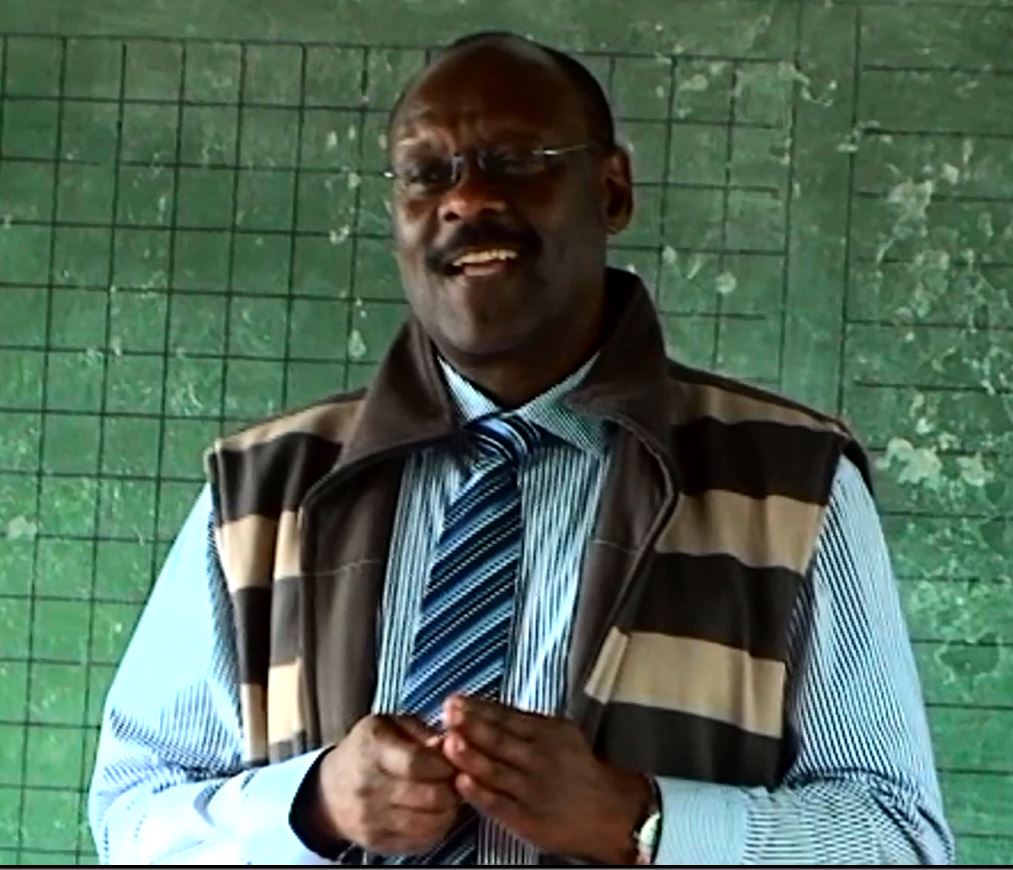
Dr Bang of the MoH e4njoys the sessions on Open defecation having contributed his own drawing

When I returned in July 2010 for the ‘start up workshop’ equipped  with the new manual and toolkit , we found we were lagging behind our participants, who said,  ‘Yes, interesting, we know all this, we already have CHCs!’  I was surprised to find that CHCs were not only formed up, but operating, and there are about 40 CHCs in total, 10 in each Province. Two provinces had already started the health sessions without assistence and had done 12 sessions, half of the course. They  had even developed a monitoring system based on the membership cards, having printed attendence books. Such is the power of an organised governmental system, where if the directive is given from above, the cadres below simply do it… no excuses, just get on with the job. From my experience in Africa where most external initiaitives, like a cow being driven to market on a long dusty road, need constant prodding by the driver, here I was runnng to keep up with the pace of the Asian buffalo, a symbol of hard work and fortitude in Vietnam mythology.

A Sing Song at the first CHC we met in Vietnam

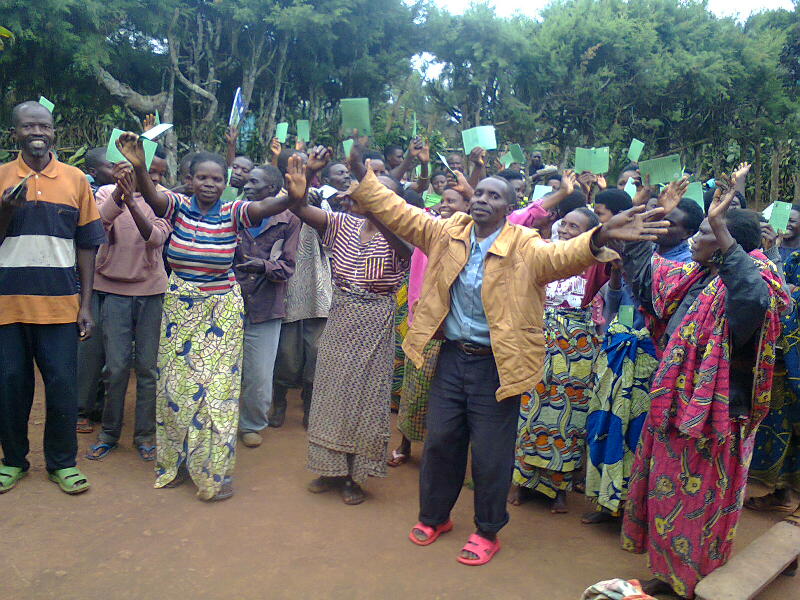
A field trip was arranged to go to Da Du village in Phu Tho Province, three hours north of Hanoi. We drove up to the village Community House in the evening, where hundreds of scooters were parked, whilst people squeezed into the hall, waiting for our party of 10 outsiders to arrive. The hall was packed with around 60 men, women and children, as fascinated to see us as we were to see them.   One after another,  men and women provided  the entertainment,  without a shread of self consciousness singing gloriously into the microphone.

A traditional Vietnamese instrument provided fascinating wailing music

The Master of Ceremonies was a dedicated community organiser and  a war vet with one arm. He introduced the community members: women bravely warbling out their strong patriotic songs full of love for Vietnam,  a man who played  a  mean mouth organ, which must have survived from the war against the American GIs in the 70’s and a more traditional musician playing a one stringed  instrument, adding a surreal Chinese tinge to our spirits which soured as each speech became more and more fired up with energy for the universal cause of Health for All by 2015.

They told us that they gather every week like this for one hour of song and the second hour of health education, and using the PA system makes it all the move enthralling. Karioke in Vietnam, like most of urban Asia is very popular, and here the rural folk were having home grown plugged in performance.

Under the sagaceous gaze of Ho Chi Minh, the saviour and hero of Vietnam, the times were a-changing, but really were they?  I couldnt help feeling the CHC approach fits perfectly into a society used to  celluar socialist organisation. In Africa  we have largely dyfunctional rural communities as the brain drain to the towns leaves the less able and more conservative in the ‘rurals’,  eeking out  a basic subsistence whilst living largely on remittances from their folk in town.

Here in Vietnam, one of the last communist countries, the north still operates from the top down and the people are organised by the party, and unlike Africa they are not disorganised communities in the rural areas.

The rural areas of Vietnam  are highly regulated,  with ‘mass organisations’ like the Womens Union, that plays a key role in development in Vietnam. The people have survived  years of war and poverty and in their desperation are highly motivated to progress. It appears they only need a good reason to get together with an agenda to improve and they will achieve.

Community Health Clubs resonate with their needs. Unlike the Womens Union which are purely for women, CHCs provide a forum for men and women to get together and solve some of their health issues together.

Our Vietnamese counterparts said that they had been ‘nerveous’ as to whether the CHC would work, but having seen this CHC in the flesh, they were now ‘confident of success’ of the Methodology. I felt just the same, with a new generation primed for take off.

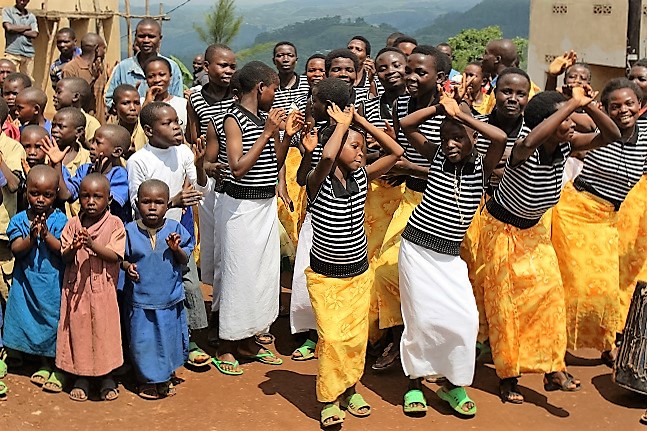
A child identifies key messages on the visual aids developed for the programme

Share AfricaAHEAD information on your websites:
  • Digg
  • del.icio.us
  • Facebook
  • Google Bookmarks
  • Blogosphere News
  • LinkedIn
  • MySpace
  • NewsVine
  • Reddit
  • StumbleUpon
  • Technorati
  • Upnews

Vietnam :the first CHC Country in Asia

COMMUNITY HEALTH CLUBS TO BE STARTED IN VIETNAM

In response to a strong request by the Ministry of Health, Danida agreed to sponsor the introduction of the Community Health Club (CHC) Approach, and the originator of the methodology, Dr. J. Waterkeyn (JW) was invited  to provide training and mentor local consultants so that  a pilot project could beset up to test its effectiveness.  The consultant was engaged for a preliminary assignment to review progress to date and to assist in providing sound training material so that the approach could be scaled up.

The Provinces chosen for the Pilot Project were Son La, PhuTho, Ha Tinh and Ninh Thuan.  Twelve villages in each Province will start CHCs making a total of 48 CHCs if each facilitator runs one club, although it would be hoped that they could manage two or three clubs depending on the size of the area, distance between homes and availability of transport and incentives to participate.  It is expected that each facilitator will aim for a CHC of 100 members, and if this is multiplied by the number in the households who will benefit from improved hygiene, it can be estimated that the programme will serve a minimum of 2,400 people, or twice that if each facilitator runs two clubs.

The Pilot project will be integrated into existing structures such as the Women’s Union, although it should be appreciated that CHC’s embrace the whole community, not just women, as men are as important as women when it comes to disease transmission., and the CHC provides a forum for open debate on subjects that my otherwise be taboo or ignored.

The CHC will also try to mould the training so that it results in outputs that will enable families to be recognised as Cultural Families, and for CHC Villages to have the honour of Cultural Villages. Thus the graduation which will reward those who have completed 24 topics, may also include the Cultural Family awards. It is expected that local dignitaries and village leaders will avail themselves and support those who attain this level of hygiene and that the Graduation will become a day of celebration that can be an ongoing reminder to maintain good hygiene standards.

It is expected that the training will begin in December and be completed by July 2010. However before this time it would be ideal if a second Stage of the Training were planned to enable all the criteria for a Cultural Family to be met. The 1st Stage focuses on water and sanitation, and home  hygiene, and aims to prevent common diseases such as diarrhoea, dysentery, cholera, helminthes, skin and eye disease, ARI’s as well as Swine flu, Avian Fly and Malaria. The 2nd stage should ensure that nutrition, child care, immunisation, good parenting, substance abuse and other social issues are addressed in a complete Tool Kit which will build on the knowledge gained in Stage 1.

Share AfricaAHEAD information on your websites:
  • Digg
  • del.icio.us
  • Facebook
  • Google Bookmarks
  • Blogosphere News
  • LinkedIn
  • MySpace
  • NewsVine
  • Reddit
  • StumbleUpon
  • Technorati
  • Upnews

South Africa:KZN Case Study

This is a summary of the achievements of a pilot project which was using Community Health Clubs to promote hygiene behaviour change in  Kwa Zulu Natal, and shows that this is an effective methodology for sound development in rural South Africa

South Africa KZN Rural Case Study

Share AfricaAHEAD information on your websites:
  • Digg
  • del.icio.us
  • Facebook
  • Google Bookmarks
  • Blogosphere News
  • LinkedIn
  • MySpace
  • NewsVine
  • Reddit
  • StumbleUpon
  • Technorati
  • Upnews

Celebrating Ubuntu

umbrella-101

Community Health Clubs Graduating in Umzimkhulu

August 2009

In January 2009, 10 communities within Umzimkhulu, one Local Municipality within the Sisonke District, began training as members of Community Health Clubs (CHC), a new initiative piloted by Africa AHEAD for the Department of Water and Environmental Affairs’ (DWA) Integrated Water Resources Management (IWRM) program. This Government pilot project, with funding provided by Danida (the Danish international aid organization), was initiated so as to improve community use and management of water resources. Since January, almost 1,000 community members have joined the ten community health clubs and have been meeting weekly to learn how to improve their lives through a structured health promotion program that encourages sustainable water, sanitation and hygiene behavior change. Now, seven months later, 550 members have completed the health promotion curriculum and are ready to celebrate their achievements during the Community Health Club Graduation Ceremony scheduled for Wednesday, September 16, 2009.

Fig.1. Women gather for the weekly health club session

The Community Health Club (CHC) approach enables the poorest of the poor in urban and rural communities to take full control of their own development by building effective social structures at the grassroots level known as Community Health clubs. The CHC strategy and training pioneered by a South African NGO, Africa AHEAD Association, builds the capacity of communities to manage their own health and development, ensuring that all initiatives are fully sustainable and holistic in scope. Informed decision-making through active participation and consensus building, changes a loose connected community into a ‘real community’ with ‘Common-Unity’. The inspiration for the CHC concept is closely linked to the South African understanding of ‘Ubuntu’, community togetherness and mutual support, which is an indication of a healthy Community. This attention to social cohesion is the hallmark of the CHC strategy, which should ideally be a process of development that begins with health promotion and hygiene behavior change. Once club members have completed the health promotion activities, they are then encouraged to move on to larger and sometimes more difficult developmental challenges such as the provision and management of water and sanitation resources; sustainable livelihoods through skills development and agriculture; and social responsibility for less advantaged community members. This phased approach allows club members to build upon each successive achievement, building ‘Common-Unity’ along the way.

sessions-1

This CHC Pilot Project in Umzimkhulu took place from February to August 2009, with six months of health promotion sessions (Phase 1 of the AHEAD Model), where members were given the opportunity to discuss issues surrounding common health problems through the use of visual aids and participatory activities. Members were also encouraged to support each other as they put their new knowledge into practice at home, and within weeks it was possible see the changes they had made to their homes and lifestyles. These concrete changes are the observable indicators of this new ‘Culture of Health’ that the CHC Approach emphasizes. At regular intervals throughout the project, a household inventory was taken, which notes the levels of uptake of 10 recommended practices that are vital if common diseases such as diarrhea, worms and skin disease are to be prevented through improved hygienic practices. It has been proved that if these practices are widespread within a community, these diseases can be greatly reduced, with a consequent saving of lives and cost to health services.

Figure 2: Members of the Bhulebezwe CHC discuss issues about personal hygiene

To date, over 80% of all registered members are following the recommended practices promoted during the weekly health promotion sessions. These practices include the safe storage and use of water, improved kitchen hygiene through safe food storage, the creation of a dedicated hand washing facility with soap at or near household latrines, and the use of a safe water source. To begin with, almost all registered members now store their water in a safe and sealed container, fetch their water using a ladle or pitcher, and store all food in containers that prevent contamination by flies. In addition, whereas only 29% of member households had a dedicated hand washing facility near their latrine at the beginning of the project, 82% have now constructed a simple facility that allows them to wash their hands immediately upon exiting their latrine. Even more impressive is the use of soap for hand washing. Finally, while 38% of member households had soap for hand washing in February, 94% of member households had provided soap by the end of July. This huge change in hand washing practice together with safe food and water will insure there is a drop in the prevalence and incidence of diarrhea, one of the most common health problems which threaten young children especially in Umzimkhulu. With these changes occurring within participating communities, there is little doubt that family health has been improved where health clubs have been established.

As can be appreciated from the chart above, the Community Health Clubs have responded enthusiastically to the information they have been learning in their clubs and applying the knowledge to improving their home hygiene. Taking ten indicators of their response we find that from the first month (blue bars) to six months later (red bars) the change has been extensive. Firstly all ten indicators show that over 80% of all the members are following the recommended practices. Secondly if we take the average of all ten practices we find that there is 36% change in six months. Some of the practices were already quite high (above 60%) but even so, it is clear that the members who did not practice the hygiene at the start of the project are almost all practicing the recommendations now. We find almost all the members are now using safe drinking water, using a ladle to take water, covering their drinking water well, keeping their food well stored and practicing zero open defecation. Use of soap when handwashing has shot up a staggering 56% (from 38% to 98%), and 53% (from 29% to 82%) have constructed a hand washing facility. This huge change in hand washing practice together with safe food and water will insure there is a drop in the prevalence and incidence of diarrhea, one of the most common health problems which threatens young children especially in Umzimkhulu.

Most impressive of all, however, are the self-motivated improvements that some Health Clubs have made to their water sources. It was observed that at the beginning of the project that approximately 50% of participating households obtained their water from an unprotected source, such as springs, streams and rivers. After learning about the importance of obtaining water from a protected source (i.e. water that is sealed or protected from contamination at the surface) club members have been actively taking measures to protect their water sources. Two of the health clubs have even made technical improvements to protect their water without any financial or technical assistance from government. Each and every achievement of these Health Clubs highlights the objective of the CHC Approach, which is to help communities take their health into their own hands and manage their own resources more effectively, at least until government can provide the required services.

water-7

On Wednesday, September 16, 2009, over 500 graduates throughout Umzimkhulu will be honored at the Hall at the Umzimkhulu Teachers College. During this public ceremony, each of the Health Clubs will demonstrate to the rest of their municipality, district and province what it means to be a member of a Community Health Club. Prizes will be given for the best homestead and most proactive health club and there will be much celebration of good hygiene achieved. Songs about the importance of hand washing will be sung, dramas highlighting the knowledge shared and gained throughout the 7 months of health promotion will be performed, and all those who have attended all 24 sessions will be given a certificate of achievement.

Fig 3: over 50% of the health club members get water from a source like this.

This is not only the moment to celebrate the achievements of these CHC members, but it is also as a coming of age of each Health Club. As the project funders (DANIDA) and implementers (Africa AHEAD, and DWA) withdraw from their role as initiators of the scheme, local leadership is now set to take their rightful place as instigators of future development through the health clubs. While all councilors have been fully behind the clubs since their inception in their respective communities, the celebration being hosted by Umzimkhulu Municipality is a very public demonstration of this determination to support local community efforts and ensure every family has a healthy future. It is now up to the graduated membership to become the standard bearers of health and development for their community. Now is the time for these communities to demonstrate the power of Ubuntu that Nelson Mandela saw within each and every one of his South African brothers and sisters. With President Zuma’s clear focus on the welfare of rural people, the municipality of Umzimkhulu is set to become an example of sustainable development and how the combined effort of a critical mass of women can bring new standards of home hygiene and improved family health.

Share AfricaAHEAD information on your websites:
  • Digg
  • del.icio.us
  • Facebook
  • Google Bookmarks
  • Blogosphere News
  • LinkedIn
  • MySpace
  • NewsVine
  • Reddit
  • StumbleUpon
  • Technorati
  • Upnews

Hygiene Behaviour change monitored in Umzimkhulu

BACKGROUND

Umzimkhulu Municipality in Sisonke District of KZN was selected by the Department of Water Affairs to pilot this project that was initiated as part of the IWRM (Integrated Water Resource Management) programme being funded by the Danish Embassy (DANIDA). Umzimkhulu was part of the Eastern Cape until it was recently absorbed into Kwa Zulu Natal. The area has one of the lowest levels of development in KZN as demonstrated in this base-line survey which highlights that safe drinking water supply is a major challenge with only 15% of households having access to a safe water source whilst the remaining households have to use open ground water, usually in the form of unprotected springs. As this surface water is open to contamination it needs to be treated or boiled before consumption. Sanitation usually consists of a household pit latrine and although the coverage is high at 90%, around 50% are unhygienic, smell and attracted flies which would account for the high levels of diarrhoea in the area. Most social scientists would agree that changing people’s hygiene habits is notoriously difficult, and there are few good case studies to-date. Africa AHEAD was commissioned as service provider to introduce a health promotion campaign in the 1st phase of an holistic development package that would build the capacity of the community through health clubs, with the objective of developing a community-led demand for improved water and sanitation. Although Africa AHEAD has initiated Community Health Clubs in informal settlements, this is the first pilot project in South Africa to be implemented in a rural community.

THE COMMUNITY HEALTH CLUB APPROACH

It has been shown in a review of over 100 studies that Health Promotion alone can reduce diarrhoea by 33%, while hygiene changes such as ensuring safe drinking water can diminish diarrhoea by 15%, safe sanitation by 35%, and safe handwashing with soap by 47% (Esrey, 1991). As the Community Health Clubealth promotion campaign in nine wards of Umzimkhulu. In February 2009, worki
Approach is known to be capable of achieving high levels of behaviour change (Waterkeyn & Cairncross, 2006) it was chosen as the strategy for a hng with the Umzimkhulu Municipality and local councillors, a Community Health Club was started in each ward. Africa AHEAD trained facilitators from the community in how to conduct health promotion sessions using PHAST participatory activities to promote hygiene behaviour change. Almost 1,000 members were registered and weekly sessions were held in all nine wards. Attendance rates varied according to the proficiency of the facilitator, but although most members attended some sessions, there were 550 hard-core members who completed all 24 health topics within six months. Certificates were awarded at a Graduation Ceremony in September 2009, attended by district and provincial representatives which marked the end of the pilot project. In the next phase, relevant government departments are planning to use these well mobilised communities to improve water, sanitation and quality of life through agricultural and income generating activities.

RESULTS

The levels of behaviour change as a result of this project are exciting, with an overall average of 20%. In the post intervention survey (September 2009), it was found that 76% of all registered members are now following the recommended practices promoted during the weekly health promotion sessions. Whereas before the project only 18.1% had safe water, there is an 41% change. Although the water source is still not safe, 51% now treat their water,86.1% store it safely and 87% take it using a ladle, so minimizing contamination. Sanitation has improved by 14%, from 71.1% with no open defecation to 87.8% of members having ZOD (Zero Open Defecation) defined as clean covered latrines with no faeces. In addition, whereas only 29% of member households had dedicated hand washing facility near their latrine at the beginning of the project, 70.1% have now constructed a simple facility that allows them to wash their hands immediately upon exiting their latrine. Even more impressive is the use of soap for hand washing that has risen from 40.1% in February to 68.4% six months later. An observable indicator is an 18% drop in Ringworm seen in CHC households, a disease caused by infrequent washing and lack of soap, 87.7% mother can now prepare SSS correctly, so saving babies that might have died from dehydration. There is little doubt that family health has been improved where health clubs have been established in Umzimkhulu, and demand to scale up this programme to all other wards is high. Meanwhile the self-motivated improvements that some HealthClubs have already made contingency measures to protect their water sources.without any external financial or technical assistance. Each CHC now has a trained building group, now constructing safe latrines on demand for members. This display of self reliance validates the CHC Approach, which aims to empower communities so that they manage their own health and utilize existing resources more effectively, at least until government can provide the required services.

RESEARCH METHODOLOGY

METHOD

Study Type: Intervention Study
Sampling: Purposeful
Technology: Mobile Research Platform
Enumerators: Seven local CHC facilitators
Health Clubs: Seven
Total Membership: 1000
Hard Core membership: 550
Sample Size Baseline: 469
Sample Size Post Intervention: 538

Demography of the CHC Respondents

Total Female Male
Total Number of Respondents 251 311 60
Median Age 40 38.5 39.2
Married 45% 45% 45%
Single 22% 50% 36%
Widowed 24% 3% 13%
Household size 5 4 4.5
Christian Denomination 46% 48% 47%
Christian Apostolic 53% 43% 48%
Traditional Religion 0.4% 5% 2.7%
Education & employment
No schooling 7% 4% 5%
Primary only 37% 33% 35%
Secondary 38% 35% 36%
Matric + passed 18% 28% 23%
Unemployed with Matric + 70% 56% 63%
No formal income 51% 58% 54%

Prior to the training a base line survey was conducted in all nine wards, with most Community Health Club members being interviewed. Each month, this ‘household inventory’ was redone, and hygiene changes as represented by the 12 observations in household inventory were tracked by the community facilitators. There are more respondents in the post intervention as members increased. Two of the facilitators failed to complete the surveys correctly and the data was rejected. Although preliminary finding in were higher in Round 5, (August 2009) the data in this poster shows the final round 6 data using only 7 out of 9 CHCs to ensure correct claims (September 2009). One observation ‘pour to waste’ hand-washing method was ignored as it was obsolete when members adopted the hand washing facility which was a more reliable indicator , being more observable.

TECHNOLOGY

Most household surveys are conducted on paper, and this leads to much human error and spoilt forms. To speed up data collection and collation and minimize human error, an innovative tool has been used in this research. A standard mobile phone was issued to each facilitator with the Household Inventory installed. Responses could be keyed eliminating human error, and data sent like an sms to a central website where results were updated automatically and instantaneously. This eliminated manual computer entry, and thus much time and error was saved. The monthly monitoring with cell
phones gave facilitators a more glamorous role, and the members responded to this monitoring (Hawthorne Effect) by making changes
that were recommended. Thus the monitoring has contributed as much as the methodology to the high rates of behaviour change.

Observed Home Hygiene changes before and after 6 months of weekly health promotion training sessions

Baseline Post Increase
Treated Drinking Water 18.1 59.3 41
Use of a Ladle 73.3 87.7 14
Safe Water Storage 78 86.1 8
Safe Food Storage 79.7 92.4 13
Use of Pot Rack 72.1 89.4 17
Zero Open Defecation 71.1 84.8 14
Hand Wash Facility 29 70.1 41
Use of Soap 40.9 68.4 28
Use of Rubbish Pit 74.2 86.6 12
No Ringworm 72.3 89.6 17
Make SSS 69.3 87.7 18

Average Increase in behaviour change 20%

Recommended Practices p>0.001


Active Members of CHCs

Baseline n=469 Post Intervention n=538

Purposeful sample of 3 wards

Demography of the CHC Respondents

CONCLUSION

  • The hygiene practices of Community Health Club members have been significantly improved as a result of the health and hygiene promotion using the CHC approach.
  • There is a high demand for safe sanitation (Ventilated Improved Pit latrines) & safe water sources (protected springs)
  • As the faecal-oral transmission route has been broken in all CHC areas by safe water, food, sanitation (Zero Open Defecation), and hand washing with soap, diarrhoea should be effectively minimised in Umzimkhulu.


Share AfricaAHEAD information on your websites:
  • Digg
  • del.icio.us
  • Facebook
  • Google Bookmarks
  • Blogosphere News
  • LinkedIn
  • MySpace
  • NewsVine
  • Reddit
  • StumbleUpon
  • Technorati
  • Upnews

Rise From Your Sleep

8th April, 2009

Umzimkhulu is one of the most disadvantaged of all areas of South Africa. Levels of water provision by government are unacceptably low, with 80% of the community within this project still using unprotected open water sources. In addition, the recent base line survey shows that hygiene and sanitation practices are equally appalling, and health knowledge is negligible, with only 18% of the community having a good knowledge of 6 health topics. The combination of poor facilities, poor hygiene and poor knowledge is causing high levels of infectious diseases : diarrhoea from unsafe food and water, skin diseases from lack of washing and worm infestations which inhibit child growth and damage levels of achievement at school. However change is in the air. In ten wards of Umzimkhulu communities are stirring and wakening from their sleep. In January 2009, Community Health Clubs were started in nine out of the ten projected Wards, and there are now a total of 883 members. Given an average of 5.4 persons per household this means there are already 4,768 direct beneficiaries of this project. From past experience we know the diffusion of information from each member extends to neighbours who often change their hygiene habits due to peer pressure even if they do not become a CHC member and attend the health club sessions. Therefore it can be assumed that the impact of the project will be on over 10,000 indirect beneficiaries.

In the first two months since mobilisation started in February 2009, there has been a good response to the project. As hoped the average size of a health club in Umzimkhulu is 98 members per club, with the largest club being in Ward 4 with 144 members. However the size of the club does not always mean that it is the most effective club, as large clubs can merely reflect a more dense population or be because people in some areas are more prone to hope to receive something, but may not continue to attend if there are no handouts. The success of a club will depend on the number of active members who attend regularly, not just those who are registered. The most accurate measurement of a successful facilitator is that of average attendance for each session, because this shows that members continue to find their sessions interesting and worth attending. Ward 15 and Ward 18 have equally the highest attendance rates (both at 60%) whilst the lowest is Ward 8 with only 23% attendance.

March Star Facilitator: Buyisiwe Majola, Ward 13, Maskhale Club, enjoys her role as facilitator and setting a high standard for her colleauges to follow, having conducted 175 household visits.

March Star Facilitator: Buyisiwe Majola, Ward 13, Zibambele Club, enjoys her role as facilitator and is setting a high standard for her colleagues to follow, having conducted over 200 household visits.

Five facilitators have done four sessions at their clubs, whilst the remaining have done two or three sessions. Only one facilitator has failed to form a club in Kwa Gijima (Ward 17) which was one of the villages selected as a case study. Her failure to conduct any sessions after two months has resulted in the Project Steering Committee requesting her counselor to find a replacement facilitator. As this project is attempting to use community members rather than trained health personnel as facilitators in an effort to ensure sustainability and build capacity at the grass roots, it is inevitable that there will be some poorly chosen facilitators who do not have the capacity for the job required. However we are delighted that 90% of the facilitators are coping well, although they need considerably more training and support than is normal when NGO or government Environmental Health staff are used as CHC facilitators. Normally when higher educated staff are facilitators Africa AHEAD provides a one-off training workshop at the beginning of the programme. However in Umzimkhulu, most selected facilitators have only a basic education,and therefore need more regular support. A full time Project Manager and Project Officer are on site and provide continual top-up training and monitoring as needed. Monthly training sessions provide support for facilitators who are taught the next four sessions for the forthcoming month.

The facilitator of the month is Buyisiwe Majola from Ward 13, who has shone out this month for her enthusiasm and hard work. She has registered 96 members, and conducted 205 surveys. While some facilitators are battling to visit all their members homes, she has completed not only the base-line household inventory but is now on the second round of household visits checking on whether there have been any changes within the past two months. Her health club, named Zibambele has 96 members, and she has conducted the four sessions as instructed. Other facilitators are also doing well, particularly Gladys Mkhise, who has successfully galvanised her community into action, surprising people with her energy and ability to mobilise, dispite being a pensioner. She says, ‘One is never too old to learn or contribute to the well being of one’s community.’ The slogan her members have adopted ‘Vukamawulele!’ means ‘Rise up from your sleep!’

Facilitators Club Name Members Sessions Avg Attendance per Session H/hold Obs Completed
Name Surname Ward
Nomawethu Thusi 2 Siyakhulu 82 2 37% 76
Gladys Mkhise 4 Sakhisizwe 149 4 34% 119
Nomhle Dlamini 5 Buhlebezwe 104 4 55% 111
Patience Njobe 6 Hlanganani 66 5 52% 42
Nomfanelo Phumlomo 7 Masikani 102 4 37% 83
Nolwazi Mdlozini 8 Vukuzakhe 122 4 23% 38
Buyisiwe Majola 13 Zibambele 96 4 43% 205
Thembinkosi Mbenste 15 Masizakhe 86 2 60% 43
Ncediswa Mbokazi 18 Siyazinzela 76 2 60% 38
TOTALS
883
27 43% 755
Share AfricaAHEAD information on your websites:
  • Digg
  • del.icio.us
  • Facebook
  • Google Bookmarks
  • Blogosphere News
  • LinkedIn
  • MySpace
  • NewsVine
  • Reddit
  • StumbleUpon
  • Technorati
  • Upnews

Umzimkhulu Base Line Survey

March 2009. J. Rosenfeld & J. Waterkeyn

The base line survey has been completed for Umzimkhulu and provides some guidelines as to the most pressing gaps in health knowledge that can be filled and hygiene behavior that can be changed by the Community Health Clubs. Based upon the results of this report, and given that the three selected villages are representatives of the whole of Umzimkhulu, it would appear that the CHC Approach can make significant differences in the lives of the participating communities. The three selected villages represent a high, medium and lower living standard and it is reasonable to assume that the rest of the district will fall somewhere in between. It would also appear that the topics to be done in health promotion sessions are indeed appropriate for the target communities, and that the training can proceed without alteration to the training materials. If the 24 health sessions are completed as planned we can expect that there will be significant improvement in health knowledge and behavior, and would predict an average of between 20-30% change in most hygiene behaviours.

80% of households in Umzhimkulu still rely on open water sources such as this 'spring'
80% of households that were in the three case study areas in Umzimkhulu still rely on open water sources such as this ’spring’

The training intends to focus on water usage and storage, safe disposal of human faeces and solid waste, as well as diseases that can be prevented by poor hygiene such as diarrhoea, scabies, ringworm, and intestinal worms. This report highlights that there is indeed room for improvement in all these areas. 80% of the households that were surveyed in the three villages still use unprotected water, and 51% have dirty latrines, 60% had a fly problem in kitchens of with only 43% of those with left over food making any to protect food from flies. 55% of households reported rats were a problem and with 74% reporting a rubbish problem and with 54% of households having solid waste within close proximity, these are areas that can be improved significantly. Handwashing probably provides the best opportunity to impact on the prevalence of diarrhea as only 8% households use soap regularly. As regards levels of health knowledge there is little doubt that the programme will register a significant rise in good health knowledge from the average of 18.6% for the six topics which were asked.

It is also clear that the district of Umzimkhulu is an ideal area for a pilot project as the level of safe water supply, sanitation and general hygiene is decidedly low as compared to more developed areas in Kwa Zulu Natal. This low base line will enable a clear measurement of impact using the proxy indicators that have been carefully linked to the training and the recommended practices which are expected to be put into place within the next six months. Given the current low provision of safe water supply and adequate sanitation, this base line report should to circulated to service providers of water and sanitation to alert the relevant authorities that within a few months there will be a sudden demand as a result of this training programme, and that planning to deal with this demand should be already in place to ensure a seamless transition from demand creation to improved living conditions in Umzimkhulu.

Now that the base line survey is complete, the Community Health club training will start in 10 wards. the facilitators have been selected from the community and are being trained in bi-weekly sessions. They have already mobilised their communities and initial response is very encouraging. There are estimated to be an average of 75 members per club and one club has even exceeded 150 people all looking forward to the future training. Most facilitators have already done five sessions and will be finished within another five months.

Start up has been delayed by two months due to slow uptake by some councillors but reports are now coming in that the councillors are excited about the initial activities and those that were slow to apply for the project are now regretting the fact that they missed the deadline. At present this project is supported by Danida and IWRM until June 2009 through the Department for Water Affairs and Forrestry but given the demand there is likely to be a viable programme in Umzimkhulu for many years to come and support is being sought for the scaling up of this novel approach that holds such promise for the poorer areas of KwaZulu-Natal.

Share AfricaAHEAD information on your websites:
  • Digg
  • del.icio.us
  • Facebook
  • Google Bookmarks
  • Blogosphere News
  • LinkedIn
  • MySpace
  • NewsVine
  • Reddit
  • StumbleUpon
  • Technorati
  • Upnews

New CHC Country in Africa

Improving Hygiene Behaviour of Communities throughout Rwanda

Community-Based Environmental Health Promotion Programme

MINISTRY OF HEALTH   Environmental Health REPUBLIC OF RWANDA

1.  The Community-Based Environmental Health Promotion Programme (CBEHPP) is a hygiene behaviour change approach to reach communities and empower them to identify their personal and domestic hygiene and environmental health-related problems (including access to safe drinking water and improved sanitation) and to solve them. The Programme is being launched by the Ministry of Health, in December 2009.

2.  Purpose of the Programme

By 2012, the CBEHPP aims to reduce Rwanda’s existing disease burden by at least 50% and thus contribute meaningfully to poverty reduction and EDPRS outcomes. The Programme further seeks to place Environmental Health firmly on Rwanda’s Development Agenda.

3.  Priorities of the CBEHPP

Based on an assessment of the prevailing  environmental health threats to the Rwandan population, the achievement of national and global development targets requires the following to be prioritised:-

  • Improved household and institutional hygiene practices and sanitation:-
  • Safe excreta disposal with zero open defecation (ZOD) and hygienic use of toilets / latrines
  • Hand-washing with soap and water
  • Safe drinking water handling
  • Safe disposal of solid and liquid wastes
  • Food safety and improved nutrition
  • Minimise indoor air pollution to reduce Acute Respiratory Infections
  • (e.g. promote fuel-efficient stoves with chimneys)
  • Improved Vector Control

The Programme seeks to build on the strong foundations and successes of the PHAST and HAMS (School Hygiene and Sanitation Programme)  experiences and will also encompass similar ‘best-practice’ initiatives currently being undertaken by NGOs.

4.  Implementing CBEHPP

The Programme will be implemented in three phases, with the first two lasting 6 months each, before rolling out the program to the rest of the country. The capacity of all 45,000 Community Health Workers will be strengthened, under close mentoring and supervision by Environmental Health Officers who are based at Health Centres. The health promotion training focuses on the most common diseases dealt with by local Health Centres as long as they are preventable, namely:- diarrhoea, acute respiratory infections, skin diseases, eye diseases, intestinal worms, bilharzias and malaria (i.e. 80% of the national disease burden).

The Community Health Workers will facilitate the formation of Community Hygiene Clubs (CHCs) in every village as a means towards rapidly achieving sustainable and cost-effective hygiene behaviour change in every homestead. The CBEHPP will also target institutions (schools, clinics and prisons) for hygiene behaviour change.

5.  How the Community Hygiene Club (CHC) Approach works

Syllabus and certification

The Community Hygiene Clubs will cover 20 preventative health topics during a six-month course of weekly, 1-2 hour sessions. This syllabus is listed on the CHC Membership Card and includes safe water chain (safe storage and use of water); sanitation ladder (avoiding faecal-oral diseases); sanitation planning and improving household latrines); environment (garbage pits and faecal-free yards); and self monitoring (CHC self-monitoring tools in use).

The CHC Facilitator (i.e. the Community Health Worker) signs off the Health Topics on each member’s card as soon as these topics and the associated ‘homework’ have been completed. The CHW also has his/her membership card signed off by the CHC Chair for verification. This procedure empowers the Community and strengthens the ‘contractual obligation’ to mutually follow through with the whole syllabus.

Governance of the Club

The CHC Executive Committees (Chair, Treasurer and Secretary) should be established as soon as all members

6.   Improved monitoring of behaviour change

The CHC approach can quantify behaviour change using community self-monitoring tools as an integral part of the process of change. Seven ‘Golden Indicators’ to be achieved by CBEHPP :-

1. Increased use of hygienic latrines in schools and homes (from 28% to 80%)

2. Increased hand-washing with soap at critical times (from 34% to 80%)

3. Improved safe drinking water access and handling in schools and homes to increase to 80%

4. Establishment of Community Hygiene Clubs (CHCs) in every village to increase to 100%

5. Achieve Zero Open Defecation in all villages: 100% ZOD!!

6. Safe disposal of children’s faeces in every household (from 28% to100%)

7. Households with bath shelters, rubbish pits, pot-drying racks and clean yards to increase to 80%

7.  Sector collaboration through CBEHPP

Water and Sanitation

Whilst safe drinking water can reduce diarrhoea by about 15% improved personal and domestic hygiene practices can reduce diarrhoea by over 65% (e.g. hand-washing with soap at critical times is estimated to reduce diarrhoea by 47%).

Hygiene Behaviour Change, as proposed under CBEHPP, is critical to all water and sanitation initiatives to ensure they meet their enormous potential to improve national health and living standards.

CBEHPP absolutely complements the Ministry of Infrastructure (MININFRA) efforts to provide safe drinking water & sanitation infrastructure by ensuring that the potential health & poverty reduction outcomes can also be achieved and sustained.

Local Government  (MINALOC)

The Programme provides a practical opportunity for the Ministry of Local Government (MINALOC) to achieve even greater collaboration & coordination at the district and sector levels that will result in increasing synergies through the efficient mobilisation and deployment of existing human & material resources.

Share AfricaAHEAD information on your websites:
  • Digg
  • del.icio.us
  • Facebook
  • Google Bookmarks
  • Blogosphere News
  • LinkedIn
  • MySpace
  • NewsVine
  • Reddit
  • StumbleUpon
  • Technorati
  • Upnews

CHCs starting in Umzimkhulu

15th January, 2008. Getting Going at Last

This week marks the culmination of almost a year’s efforts by Africa AHEAD and DWAF, to start up CHCs in the lovely foothills of the Drakensburg Mountains, one hour south of Durban in Umzimkhulu Municipality, Sisonke District, Kwa Zulu Natal.

The concept was introduced to the Municipality and at a full Council meeting a formal a request was made to Africa AHEAD and DWAF to go ahead with the project throughout Umzimkhulu. Councilors in all 20 Wards were given the chance to submit an application to start CHCs in their ward and to nominate a facilitator to train their community. A steering committee, comprising of a representative of all the stakeholders, has been formed to ensure sustainability of the project beyond the initial implemenation phase which is funded by Danida for the next six months. It is expected that the various gocernment departments will then contribute towards the community initiatives expected to arise from the health promotion phase. This should include upgrading and management of water and sanitation facilities as well as income generating projects related to agriculture and eco-tourism. Ten wards have already made applications and nominated their facilitators, which were then endorced by the steering committeeto ensure complete transparency.  This was an important few months as a strong foundation for this project has now been laid by ensuring the full backing of  Umzimkhulu Municipality.

On this foundation the process has now begun to build up the community through the establishment of health clubs in each ward. A three day training has just been held for training in Module 2: How to start Community Health Clubs. All ten facilitators as well as representatives from DWAF, Health and Social Services completed the training with flying colours and were given their certificates. Attending the certification ceremony were representatives from the Municipality. Mrs Vuyisa Madu, Portfolio Head for Community and Social Services, and Councilor for Ward 17 volunteered a response to what she had seen of the training… a rough translation of her Zulu words, went something like this…

I have not been asked to speak but I have been so moved by what I have seen, that I have to say something from my heart. I just cant believe that people from the community can now express themselves so well after this short training. It is only in ten wards at present but we must make sure that this project is taken into all twenty wards in Umzimkhulu.’

Her enthusiasm was encouraging as she was referring merely to the training facilitators from the community, who she felt had been well equipped to return to their village and mobilise effectively. We are hoping she will be even more impressed when the facilitators start their health promotion sessions within their communities. Well done to the Africa AHEAD facilitators, Jason Rosenfeld and Moses Mncwabe for making the training such an effective start up.

Participants at the 1st Umzimkhulu CHC training workshop 14th January 2009
Participants at the 1st Umzimkhulu CHC training workshop, Kwa Zulu Natal. 14th January 2009
Share AfricaAHEAD information on your websites:
  • Digg
  • del.icio.us
  • Facebook
  • Google Bookmarks
  • Blogosphere News
  • LinkedIn
  • MySpace
  • NewsVine
  • Reddit
  • StumbleUpon
  • Technorati
  • Upnews

The Power of Participatory Education: Social Capital in Zimbabwe

Rosenfeld, J.A. (2007). The Power of Participatory Education: Social Capital in Zimbabwe. Unpublished.

Introduction:

“Woman’s place is in the Home, but Home is not contained within the four walls of an individual home. Home is the community.” – Rhetta Childe Dorr, 1910

Zimbabwe is a country in crisis. This is what the international news agencies tell you, and for the most part they are correct. As one moves around the country the signs that things are not well are everywhere: shops with little to nothing on their shelves or that have simply closed; long queues outside of supermarkets as shoppers hope to purchase half a loaf of bread; power fluctuations in Harare; no fuel available at the gas stations; and an inflation rate that has at last estimate surpassed 7,000%. However, not all is as it appears at first glance.

In fact, despite this apparent economic collapse, there are portions of Zimbabwean society that have thrived and increased their capital over the years. In the urban centers like Harare and Makoni, the amazing number of brand new luxury cars and SUVs show that the middle and upper class are thriving off of the black market that has supplanted the regular economy and now supports all life and commerce. In this Zimbabwe, people have clearly increased their access to financial, and in turn physical, capital. On the other hand, in some of the rural areas, even those considered to be the poorest and most vulnerable in all of Zimbabwe, communities are increasing their capital of another sort; social capital. Generally, social capital refers to the connections among individuals, including the social networks and the norms of reciprocity and trustworthiness that arise from them.

For the rest of the article, please go to: The Power of Participatory Education: Social Capital in Zimbabwe

Share AfricaAHEAD information on your websites:
  • Digg
  • del.icio.us
  • Facebook
  • Google Bookmarks
  • Blogosphere News
  • LinkedIn
  • MySpace
  • NewsVine
  • Reddit
  • StumbleUpon
  • Technorati
  • Upnews

Latest News from the Project Areas

Content


Click the images below to hear what the community have to say about their Health Clubs.

Community Voices

A word from the community. Health Club Members Self Esteem ADCI Voca - mother and child A word from the community. Health Club Members          A word from the community. Health Club Members Reasons for joining CHC  Women Empowerment                            Self Esteem A word from the community. Health Club Members A word from the community. Health Club Members